Your Types of musical texture images are available. Types of musical texture are a topic that is being searched for and liked by netizens today. You can Find and Download the Types of musical texture files here. Find and Download all royalty-free images.
If you’re looking for types of musical texture pictures information linked to the types of musical texture interest, you have pay a visit to the ideal blog. Our website always provides you with suggestions for viewing the maximum quality video and picture content, please kindly hunt and find more informative video articles and graphics that match your interests.
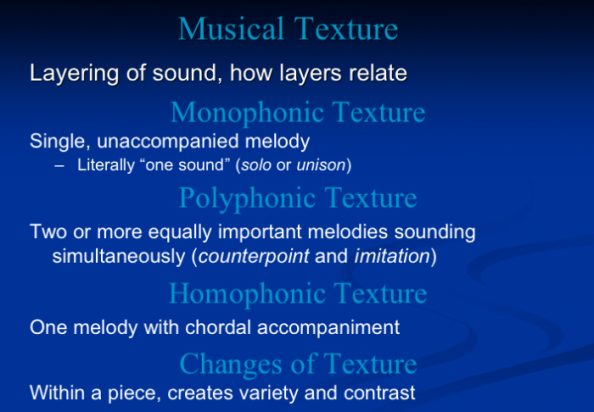
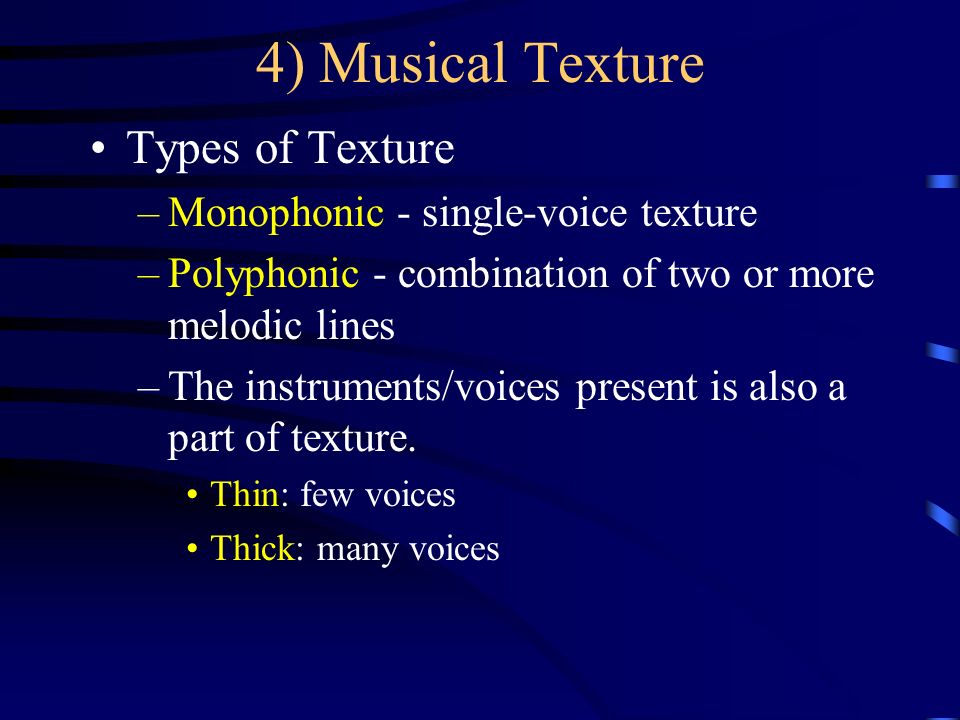
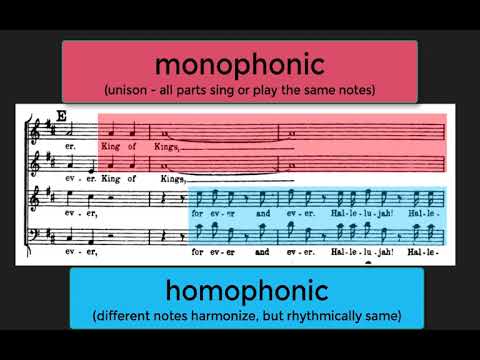
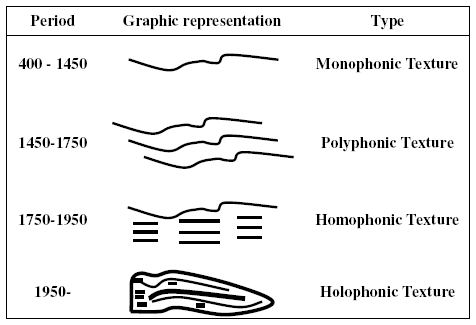
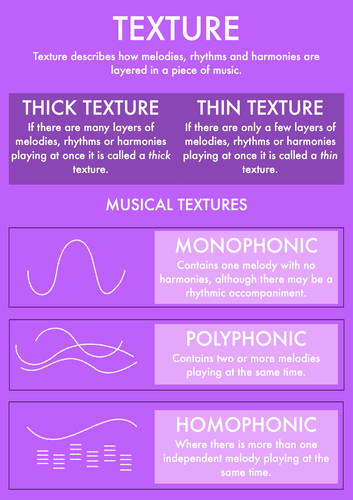
Types Of Musical Texture. Monophonic texture is the simplest of the three main types of texture in music. 3-D art such as sculpture and architectural structures are tactile in. Texture in music refers to the number of musical lines and their density in a piece of music. A texture may be monophonic single melodic line polyphonic two or more melodic lines and homophonic the main melody accompanied by chords.
 Musical Texture Music Technology Musician From musictechmusician.weebly.com
A texture may be monophonic single melodic line polyphonic two or more melodic lines and homophonic the main melody accompanied by chords. Musical texture refers to the number and type of layers used in a composition and how these layers are related. Types Of Musical Forms Examples Definitions Lists. In music texture is how the tempo melodic and harmonic materials are combined in a musical composition determining the overall quality of the sound in a piece. The texture of a piece can change because of the following factors. Types of Musical Textures.
3-D art such as sculpture and architectural structures are tactile in.
The texture is often described in regard to the density or thickness and range or width between lowest and highest pitches in relative terms as well as more specifically distinguished according to the number of. There are four music textures that you need to understand. There is no harmonious accompaniment and no other music is made except melodies. Harmonic analysis is the analysis of chords in musical context. Monophonic texture includes only a single melody line. April 20 2021 0 Comments Music types of texture in music.
 Source: slideplayer.com
Some people will use the term layers of sound interchangeably with Texture. A texture may be monophonic single melodic line polyphonic two or more melodic lines and homophonic the main melody accompanied by chords. 3-D art such as sculpture and architectural structures are tactile in. In music texture is how the tempo melodic and harmonic materials are combined in a musical composition determining the overall quality of the sound in a piece. Texture in music can be described using several terms but the.
 Source: juliajooya.com
Musical texture is basically the element of music that analyzes musical layers. Consists only of a single melody without. A wide range of choices for you to choose from. The main types of texture in music are monophony. Texture is generally described as monophonic single line heterophonic elaboration on a single line homophonic single line with accompaniment or polyphonic many voiced.
 Source: youtube.com
62 - Musical Form 3411. The interweaving of melodic horizontal and harmonic vertical elements in the musical fabric. The timbre of the instruments or voices playing these parts. Harmonic analysis is the analysis of chords in musical context. There are four music textures that you need to understand.
 Source: juliajooya.com
It is the actual way a surface feels when it is felt or touched such as rough smooth soft hard silky slimy sticky etc. Just like there are various textures of clothes hair or food there are also different textures in music. Instead of just settling in one key this section will sometimes travel through multiple modulations. The Two Types of Texture Tactile and Visual Tactile texture is the real thing. The interweaving of melodic horizontal and harmonic vertical elements in the musical fabric.
 Source: scotdir.com
Texture is the way harmonies melodies rhythms and timbres sound qualities such as different instrument sounds relate to create the overall effect of a piece of music. The four common texture types are monophonic. The Two Types of Texture Tactile and Visual Tactile texture is the real thing. The image above shows four images that texture may conjure in your mind the smooth sands of a vast desert the rough brick wall in a decrepit city building the rolling waves of the ocean or the repeating patterns of plant life. Texture is the way harmonies melodies rhythms and timbres sound qualities such as different instrument sounds relate to create the overall effect of a piece of music.
 Source: musictheoryacademy.com
Understanding texture makes harmonic analysis much easier. Finally Ill talk you through the four families of musical instrumentsbrasses percussions strings and woodwinds—and the various musical textures forms and styles that they can create. Consists only of a single melody without. The timbre of the instruments or voices playing these parts. 2 types of polyphonic.
 Source: hellomusictheory.com
I had mentioned a while back that I was going to write a series of posts on the differences between different types of music. Types of Musical Textures. Monophonic texture is the simplest of the three main types of texture in music. 3-D art such as sculpture and architectural structures are tactile in. The four common texture types are monophonic.
 Source: researchgate.net
The main types of texture in music are monophony. 3 types of texture. Musical texture refers to the number and type of layers used in a composition and how these layers are related. Texture is the way harmonies melodies rhythms and timbres sound qualities such as different instrument sounds relate to create the overall effect of a piece of music. 61 - Musical Texture 1348.
 Source: cnx.org
Musical Texture refers to how different layers of a piece of music are combined to produce the overall sound. The result of the number and character of musical lines in a piece. 62 - Musical Form 3411. The word monophonic is derived from the Greek word mono which means and. What images pop into your heard when you hear the word texture.
 Source: musicandmeaning.net
61 - Musical Texture 1348. There are four music textures that you need to understand. What images pop into your heard when you hear the word texture. The main types of texture in music are monophony. Just like there are various textures of clothes hair or food there are also different textures in music.
 Source: slideplayer.com
It is actually the way to describe how a piece of music or sound is organized. What images pop into your heard when you hear the word texture. The texture of a piece can change because of the following factors. A texture may be monophonic single melodic line polyphonic two or more melodic lines and homophonic the main melody accompanied by chords. 63 - Musical Style 1440.
 Source: juliajooya.com
There is no harmonious accompaniment and no other music is made except melodies. In music texture is how the tempo melodic and harmonic materials are combined in a musical composition determining the overall quality of the sound in a piece. Musical texture refers to the number and type of layers used in a composition and how these layers are related. A wide range of choices for you to choose from. The image above shows four images that texture may conjure in your mind the smooth sands of a vast desert the rough brick wall in a decrepit city building the rolling waves of the ocean or the repeating patterns of plant life.
 Source: music.stackexchange.com
What images pop into your heard when you hear the word texture. The Monophonic Monophonic Monophonic texture is the easiest of three main types of texture in music. A wide range of choices for you to choose from. It consists of a melody or song played or sung by a single person or in unison. Texture is generally described as monophonic single line heterophonic elaboration on a single line homophonic single line with accompaniment or polyphonic many voiced.
 Source: musictheoryacademy.com
It is actually the way to describe how a piece of music or sound is organized. Texture in music refers to the number of musical lines and their density in a piece of music. The texture of a piece can change because of the following factors. The four common texture types are monophonic polyphonic homophonic and heterophonic. The interweaving of melodic horizontal and harmonic vertical elements in the musical fabric.
 Source: tes.com
Consists only of a single melody without. Types Of Musical Forms Examples Definitions Lists. The word monophonic is derived from the Greek word mono which means and. Texture is the way harmonies melodies rhythms and timbres sound qualities such as different instrument sounds relate to create the overall effect of a piece of music. Usually the development section is thicker in musical texture and full in unstable harmonic structure.
 Source: musictheoryacademy.com
There is no harmonious accompaniment and no other music is made except melodies. As we covered above there are a number of different ways to describe texture in music. Understanding texture makes harmonic analysis much easier. The texture of a piece can change because of the following factors. April 20 2021 0 Comments Music types of texture in music.
 Source: juliajooya.com
The image above shows four images that texture may conjure in your mind the smooth sands of a vast desert the rough brick wall in a decrepit city building the rolling waves of the ocean or the repeating patterns of plant life. Understanding texture makes harmonic analysis much easier. There is no harmonious accompaniment and no other music is made except melodies. In music texture is how the tempo melodic and harmonic materials are combined in a musical composition determining the overall quality of the sound in a piece. April 20 2021 0 Comments Music types of texture in music.
 Source: musictheoryacademy.com
The development section features a completely new theme. What images pop into your heard when you hear the word texture. The interweaving of melodic horizontal and harmonic vertical elements in the musical fabric. The texture of a piece can change because of the following factors. The word monophonic is derived from the Greek word mono which means and.
This site is an open community for users to share their favorite wallpapers on the internet, all images or pictures in this website are for personal wallpaper use only, it is stricly prohibited to use this wallpaper for commercial purposes, if you are the author and find this image is shared without your permission, please kindly raise a DMCA report to Us.
If you find this site beneficial, please support us by sharing this posts to your preference social media accounts like Facebook, Instagram and so on or you can also save this blog page with the title types of musical texture by using Ctrl + D for devices a laptop with a Windows operating system or Command + D for laptops with an Apple operating system. If you use a smartphone, you can also use the drawer menu of the browser you are using. Whether it’s a Windows, Mac, iOS or Android operating system, you will still be able to bookmark this website.


